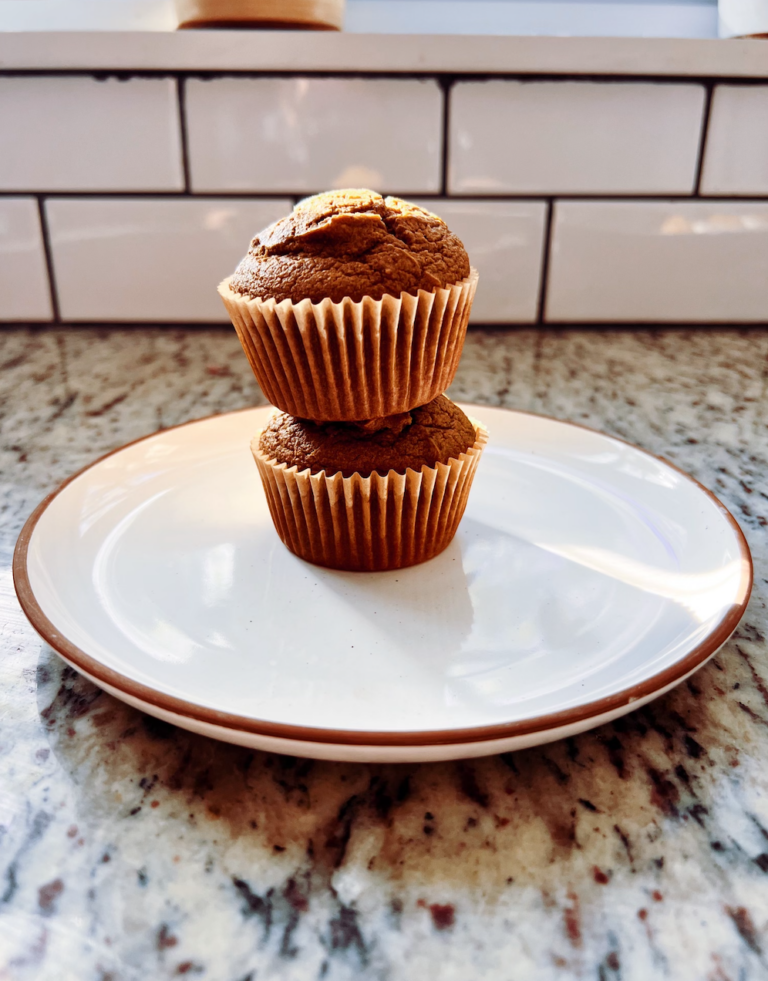
A Chewy Gluten-Free Iced Oatmeal Cookie Recipe
This blog contains affiliate links from which I earn a small commission.
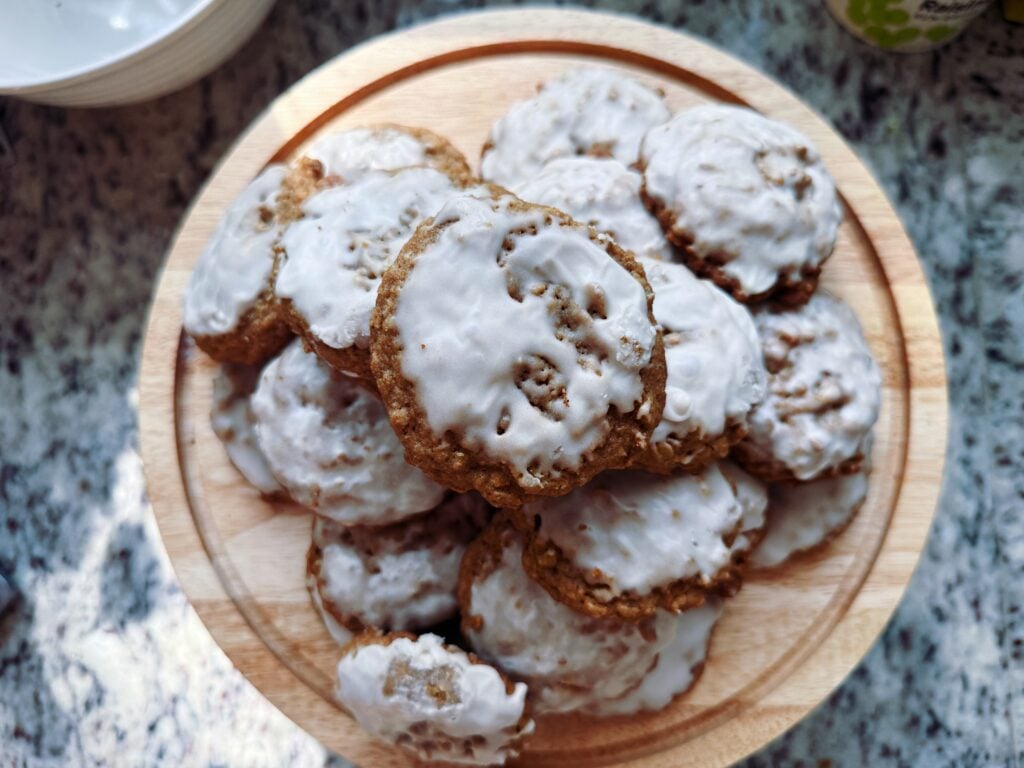
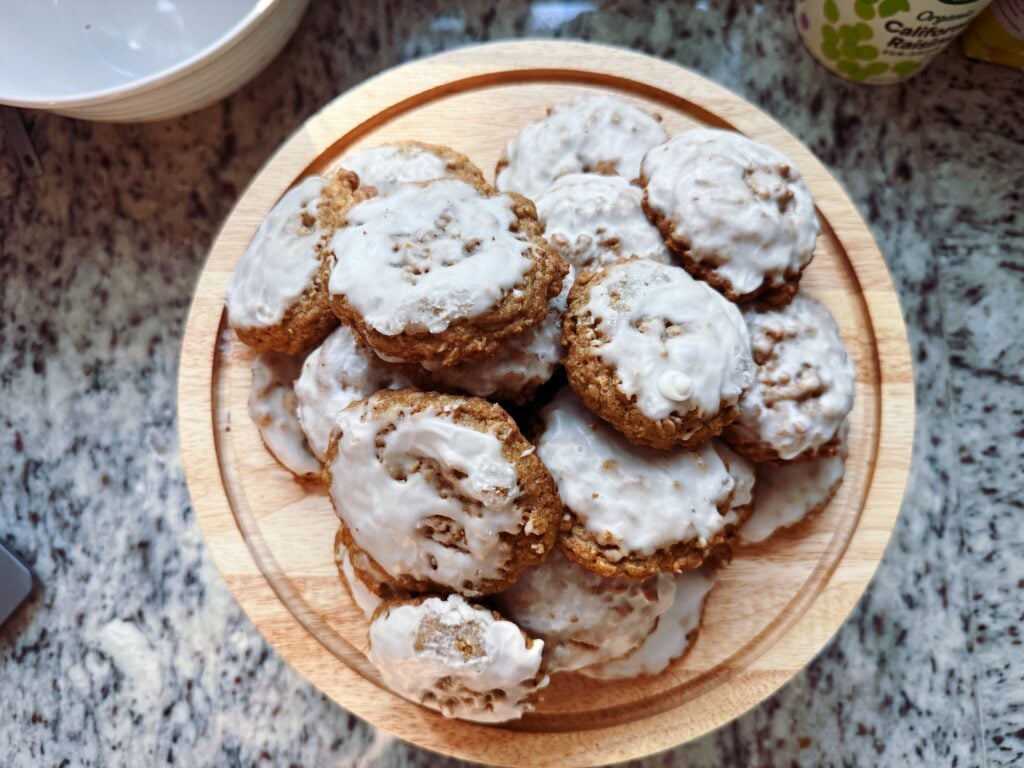
Tis the season for all the cozy foods and I am here for it. From soups and stews to freshly baked goodies with perfect doses of warm spices, I am in my kitchen daily soaking up the fall turning into winter months. This gluten-free iced oatmeal cookie recipe is perfect for the holiday season whether for a cookie exchange or for taking to a holiday party. It’s that nostalgic, classic old fashioned cookie that everyone will love, and one that has warm flavors to cozy up any winter evening. And the simple icing adds such a delightful layer of texture.
Why You Will Love This Recipe:
- Classic nostalgic flavor: These cookies have the warm cinnamon, nutmeg, and brown sugar flavors of old-fashioned iced oatmeal cookies, just made gluten-free!
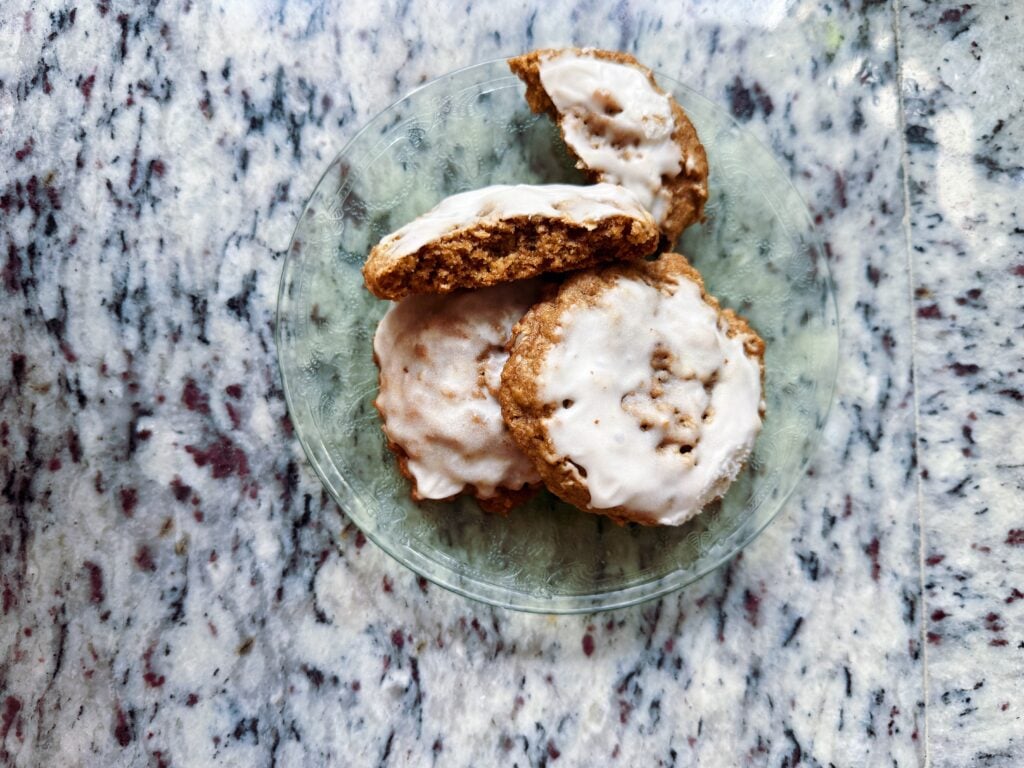
- Soft and chewy texture: Using both rolled oats and quick oats creates cookies with a hearty bite and tender, soft centers. Perfectly chewy oatmeal cookies!
- Sweet vanilla icing: The smooth powdered sugar glaze adds the perfect finishing touch and makes these cookies look just like the classic bakery-style version.
- Easy to make: Simple pantry ingredients and straightforward instructions make this a great recipe for beginner and experienced bakers alike. Such an easy recipe!
- Perfect for making ahead: Chilling the dough helps the cookies hold their shape, and the baked cookies are wonderful for preparing ahead of gatherings or special occasions.
- Naturally full of cozy spices: Cinnamon and nutmeg bring warmth and flavor to every bite, making these cookies especially delicious during fall and winter.
- A gluten-free treat everyone can enjoy: These cookies are a delicious option for sharing with family and friends, whether you’re serving them at a holiday gathering, packing them in lunchboxes, or enjoying an afternoon treat.
Ingredients:
Cookie
- 1 cup rolled oats: old-fashioned rolled oats add a hearty texture and chewy bite to the cookies. They help give the cookies their classic oatmeal flavor and structure.
- 1 cup quick oats: quick oats create a softer, more tender texture while blending smoothly into the dough. Using both rolled and quick oats gives these cookies a delicious balance of chewiness and softness.
- 1 ½ cups gluten-free all-purpose flour: provides the base for the cookie dough. Use a gluten-free flour blend designed for baking, preferably one that contains xanthan gum for better structure.
- 1 teaspoon baking soda: helps the cookies spread and brown while creating a tender texture.
- 1 teaspoon salt: balances the sweetness and enhances the flavors of the oats, butter, and warm spices.
- 1 ½ teaspoons cinnamon: adds warm, sweet spice that pairs beautifully with the oats and brown sugar.
- ½ teaspoon nutmeg: gives the cookies a subtle, cozy flavor that complements the cinnamon.
- 1 cup unsalted butter, softened: creates a rich, buttery flavor and helps produce tender cookies. Softened butter should give slightly when pressed but should not be melted.
- 1 cup brown sugar: adds moisture, sweetness, and a rich molasses flavor that keeps the cookies soft and chewy.
- ¼ cup granulated white sugar: adds sweetness and helps the cookies develop lightly crisp edges.
- 2 large eggs, room temperature: bind the ingredients together and provide structure and moisture. Room-temperature eggs blend more easily into the creamed butter and sugar.
- 1 tablespoon molasses: deepens the flavor with a rich, caramel-like sweetness and adds extra moisture for a soft, chewy cookie.
- 1 teaspoon of vanilla extract — adds a warm, sweet flavor that complements the cinnamon and nutmeg in the cookies.
Powdered Sugar Icing
- 1 ½ cups powdered sugar: creates a smooth, sweet icing that sets beautifully over the cooled oatmeal cookies. Sift the sugar if it has lumps.
- ½ teaspoon vanilla extract: adds a warm, sweet flavor that complements the cinnamon and nutmeg in the cookies.
- 2 tablespoons milk or heavy cream: thins the powdered sugar into a drizzle-able icing. Use milk for a lighter glaze or heavy cream for a slightly richer finish. Add a little more as needed to reach your desired consistency.
Instructions:
- Combine the dry ingredients. In a large mixing bowl, whisk together the rolled oats, quick oats, gluten-free flour, baking soda, salt, cinnamon, and nutmeg until evenly combined. Mixing the dry ingredients first helps distribute the spices and leavening evenly throughout the dough.
- Cream the butter. In the bowl of a stand mixer fitted with the paddle attachment, beat the softened butter on medium speed until smooth and creamy. Make sure the butter is softened but not melted to help create the right cookie texture.
- Add the sugars. Add the brown sugar and granulated sugar to the butter. Beat on medium speed for about 2 minutes, scraping down the sides of the bowl as needed, until the mixture is light and fluffy. This step helps incorporate air into the dough and creates tender cookies.
- Mix in the wet ingredients. Add the eggs, molasses, and vanilla extract. Beat until everything is fully incorporated, scraping down the sides and bottom of the bowl to ensure the mixture is evenly combined. The molasses adds a rich, warm flavor and helps keep the cookies soft and chewy.
- Add the dry ingredients. With the mixer on low speed, gradually add the oat and flour mixture to the butter mixture. Mix just until the dry ingredients are incorporated and no large pockets of flour remain. Avoid overmixing, as this can make the cookies too dense.
- Chill the dough. Cover the bowl and refrigerate the cookie dough for 45 minutes. Chilling allows the oats to absorb moisture and firms up the butter, helping the cookies hold their shape as they bake.
- Prepare the icing. While the dough chills, whisk together the confectioners sugar, milk or cream, and vanilla extract in a medium bowl until smooth. The icing should be thick enough to coat the tops of the cookies but thin enough for dipping. Add a small amount of milk if it is too thick, or a little more powdered sugar if it is too thin.
- Preheat the oven. Preheat your oven to 350°F. Line baking sheets with parchment paper to prevent sticking and make cleanup easier.
- Scoop the cookies. Using a 2-tablespoon or medium cookie scoop, portion the chilled dough onto the prepared baking sheets, leaving about 2 inches between each cookie to allow for spreading. Keep the dough refrigerated between batches if it begins to soften.
- Bake the cookies. Bake for 10–12 minutes, or until the edges are lightly golden brown and the centers look just set. The cookies may appear slightly soft in the middle when you remove them from the oven, but they will continue to firm up as they cool. Avoid overbaking to maintain a soft, chewy texture.
- Cool the cookies. Let the cookies rest on the baking sheet for 5 minutes before carefully transferring them to a wire cooling rack. Allow them to cool until they are still slightly warm but sturdy enough to handle. This makes dipping easier while helping the icing adhere to the cookies.
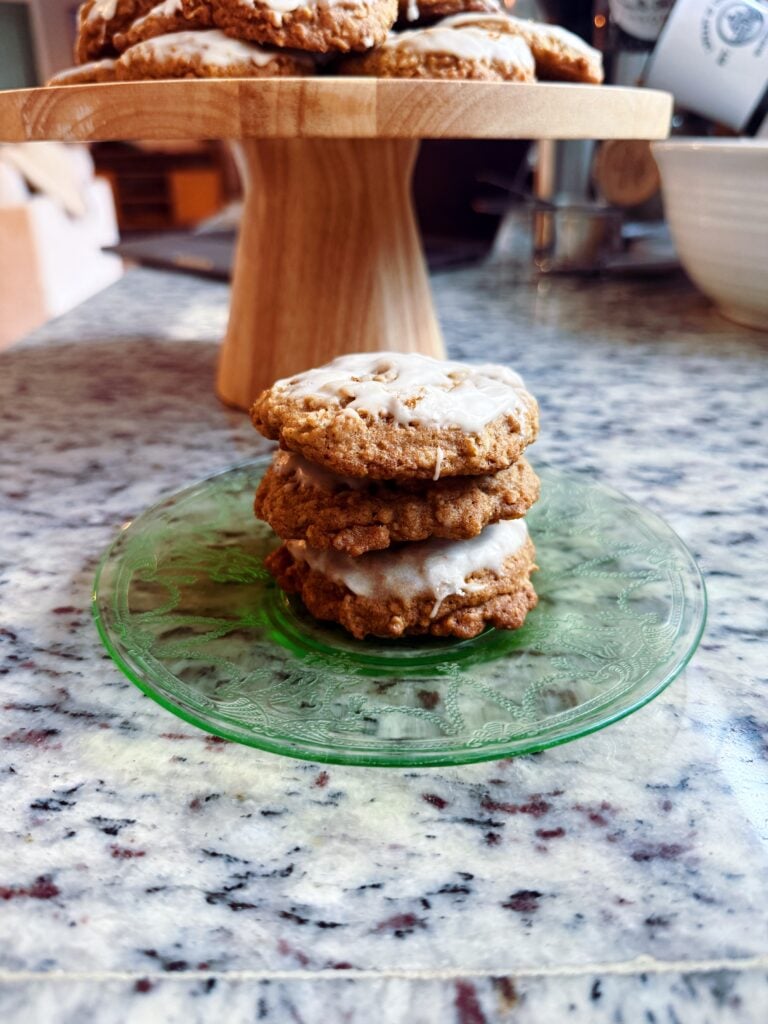
- Dip in the icing. Once the cookies are slightly warm, dip the top of each cookie into the prepared icing. Let any excess icing drip back into the bowl, then return the cookies to the wire rack with the iced side facing up. The icing will settle over the surface and create a sweet glaze.
- Let the icing set. Allow the cookies to sit on the cooling rack until the icing has dried and formed a light coating. Serve once set, or store the cookies in an airtight container or freezer bag after the icing has fully dried.
Tip: For the best texture, avoid dipping the cookies while they are hot, as the icing may become too thin and run off. Slightly warm cookies provide a nice balance, helping the icing coat the tops while setting into that classic iced oatmeal cookie finish.
Perfect Pairings:
These gluten-free iced oatmeal cookies are delicious on their own, but they pair wonderfully with a variety of drinks and desserts.
- A cold glass of milk: The classic pairing! Milk balances the sweetness of the icing and complements the warm spices.
- Hot coffee: Enjoy a cookie with your morning or afternoon coffee. The cinnamon, nutmeg, and molasses flavors pair beautifully with a rich cup of coffee.
- Chai tea: The warming spices in chai complement the cinnamon and nutmeg in the cookies for a cozy afternoon treat.
- Hot chocolate: Serve these cookies alongside a mug of hot chocolate for a comforting dessert on a chilly day.
- Vanilla ice cream: Sandwich a scoop of vanilla ice cream between two cookies for a fun gluten-free ice cream sandwich.
- Fresh apple slices: Crisp, sweet apples offer a refreshing contrast to the rich, buttery cookies and warm spices.
- Caramel latte: The caramel notes of the brown sugar and molasses pair especially well with a creamy caramel latte.
- A holiday cookie platter: Add these iced oatmeal cookies to a platter with gluten-free sugar cookies, gingerbread cookies, and chocolate chip cookies for a festive dessert spread.
Summary:
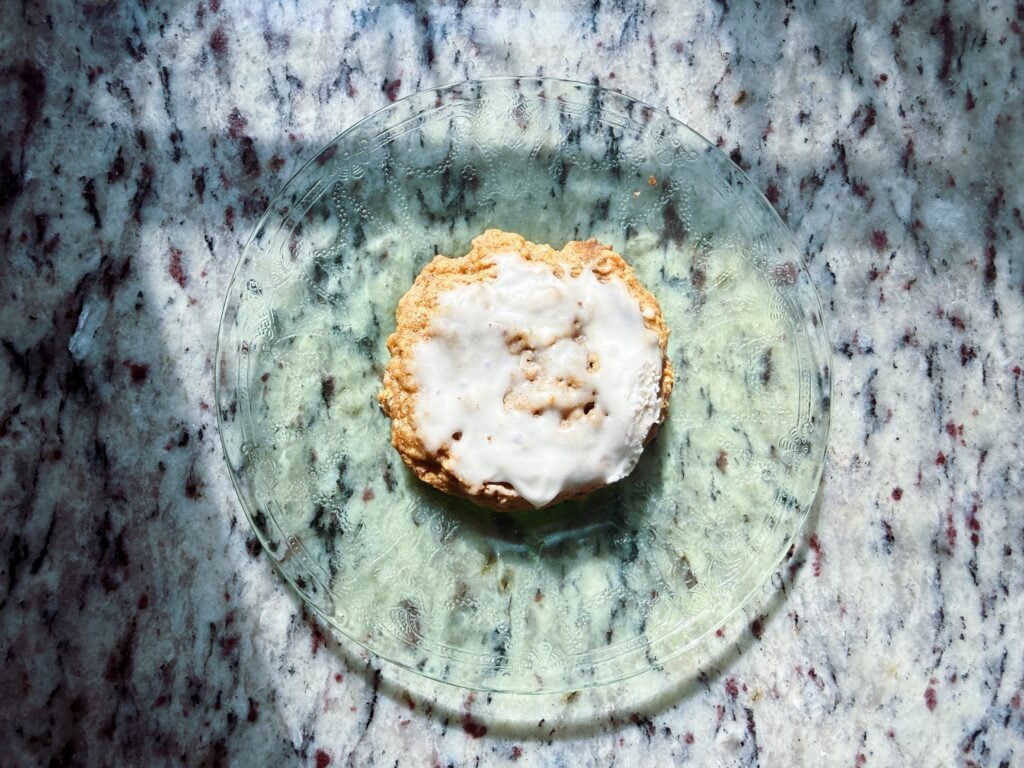
These gluten-free iced oatmeal cookies are a delicious twist on a classic bakery favorite! Made with rolled oats, quick oats, warm cinnamon, nutmeg, brown sugar, and a hint of molasses, they have a soft, chewy texture with plenty of cozy flavor. Each cookie is finished with a simple vanilla powdered sugar icing that adds the perfect touch of sweetness.
This easy gluten-free oatmeal cookie recipe uses simple ingredients and includes a quick chilling step to help the cookies bake beautifully. The icing gives them their signature look and makes them feel extra special without requiring complicated decorating techniques.
Whether you’re baking for the holidays, preparing homemade treats for your family, or craving an old-fashioned oatmeal cookie, these gluten-free iced oatmeal cookies are sure to become a favorite. Enjoy them with a cup of coffee, a glass of milk, or your favorite warm drink for a sweet treat any time of year.
?The recipe card is below so you can make these delicious and nostalgic gluten-free oatmeal cookies!

A Chewy Gluten-Free Iced Oatmeal Cookie Recipe
Ingredients
Cookie
- 1 cup old fashioned rolled oats
- 1 cup quick oats
- 1 ½ cups gluten-free all-purpose flour
- 1 teaspoon baking soda
- 1 teaspoon salt
- 1 ½ teaspoons cinnamon
- ½ teaspoon nutmeg
- 1 cup unsalted butter softened
- 1 cup brown sugar
- ¼ cup granulated white sugar
- 2 large eggs room temperature
- 1 tablespoon molasses
- 1 teaspoon of vanilla extract
Powdered Sugar Icing
- 1 ½ cups powdered sugar
- ½ teaspoon vanilla extract
- 2 tablespoons milk or heavy cream
Instructions
- In a large bowl, whisk together the rolled oats, quick oats, gluten-free flour, baking soda, salt, cinnamon, and nutmeg.
- In a stand mixer fitted with the paddle attachment, beat the softened butter until creamy. Add the brown sugar and white sugar and beat for 2 minutes.
- Add the eggs, molasses, and vanilla. Mix until combined.
- Add the dry ingredients and mix on low speed until just combined.
- Cover and refrigerate the dough for 45 minutes.
- Preheat the oven to 350°F and line baking sheets with parchment paper.
- In a medium bowl, whisk together the powdered sugar, milk or cream, and vanilla until smooth.
- Scoop the dough into 2-tablespoon portions and place on the prepared baking sheets, spacing about 2 inches apart.
- Bake for 10–12 minutes, until the edges are lightly golden and the centers are just set.
- Cool on the baking sheet for 5 minutes, then transfer to a wire rack.
- While the cookies are slightly warm, dip the tops into the icing. Return to the rack and allow the icing to set before serving.