A Simple Guide to a Healthy Gluten Free Lifestyle
If you’ve been eating gluten free for any length of time, you’ve probably noticed something: just because it is labeled a gluten-free foods doesn’t automatically make it nutritious.
When I was first diagnosed with celiac disease, I was simply grateful to find bread, crackers, and pasta that I could safely eat. But over the years, I realized that many gluten-free convenience foods rely heavily on refined starches like white rice flour, potato starch, and tapioca starch. While these ingredients certainly have their place (I use them in baking, too!), building a healthy gluten-free lifestyle means looking beyond packaged replacements and intentionally including food choices that provide vitamins, minerals, fiber, healthy fats, and protein.
The good news? A strict gluten-free diet can be incredibly nutrient-dense when it’s centered around naturally gluten-free whole foods and a healthy diet. Here are some practical ways to nourish your body while still enjoying all your favorite gluten-free recipes with an abundance of health benefits.
Start with Naturally Gluten-Free Whole Foods
Instead of thinking about what you can’t eat (the gluten challenge), focus on the abundance of foods that are naturally gluten free, creating a plethora of gluten-free options and a variety of foods.
Fill your grocery cart with colorful fruits and vegetables, lean proteins, eggs, dairy (if tolerated), nuts, seeds, legumes, and gluten-free whole grains. These foods naturally provide the nutrients that many people with celiac disease may be lacking, especially during the healing process.
Aim to include at least one fruit or vegetable with every meal. The more colorful your plate, the wider variety of vitamins, minerals, and antioxidants you’ll consume.
Choose Gluten-Free Whole Grains
Many gluten-free processed foods are made with refined starches that are lower in fiber and nutrients. Incorporating whole grains, that are a healthier option, into your meals helps boost both nutrition and satisfaction. Many can be found at local grocery stores.
Some excellent options include:
- Quinoa
- Buckwheat
- Certified gluten-free oats
- Brown rice
- Millet
- Sorghum
- Teff
- Wild rice
These grains provide fiber, B vitamins, magnesium, iron, and plant-based protein while adding variety to your meals. If you are needing a starch, potato starch is one that
Prioritize Protein at Every Meal
Protein helps stabilize blood sugar, supports muscle health, and keeps you feeling full longer.
Easy gluten-free protein sources include:
- Chicken
- Turkey
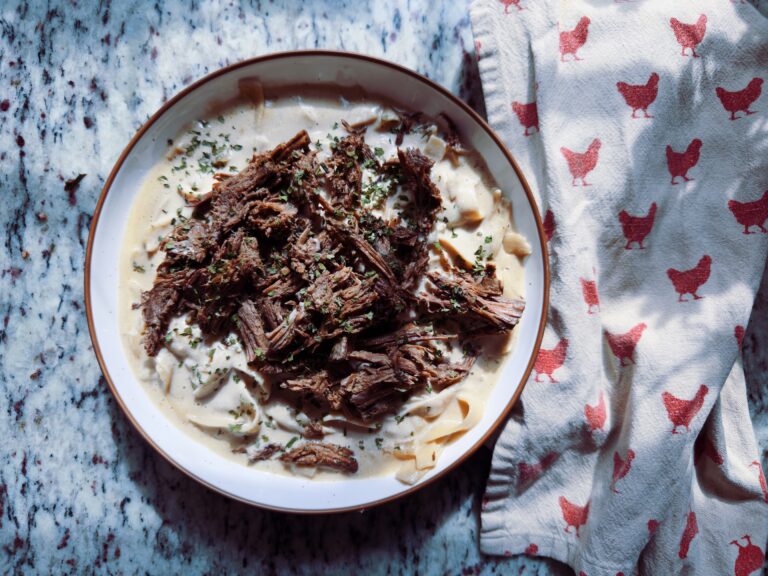
- Beef
- Fish
- Eggs
- Greek yogurt
- Cottage cheese
- Beans
- Lentils
- Tofu
- Edamame
For busy mornings, Greek yogurt topped with berries and chia seeds or eggs with gluten-free toast make excellent nutrient-packed breakfasts.
Don’t Forget Healthy Fats
Healthy fats are essential for hormone production, brain health, and absorbing fat-soluble vitamins like A, D, E, and K.
Include foods such as:
- Avocados
- Olive oil
- Nuts
- Nut butters
- Seeds
- Salmon
- Sardines
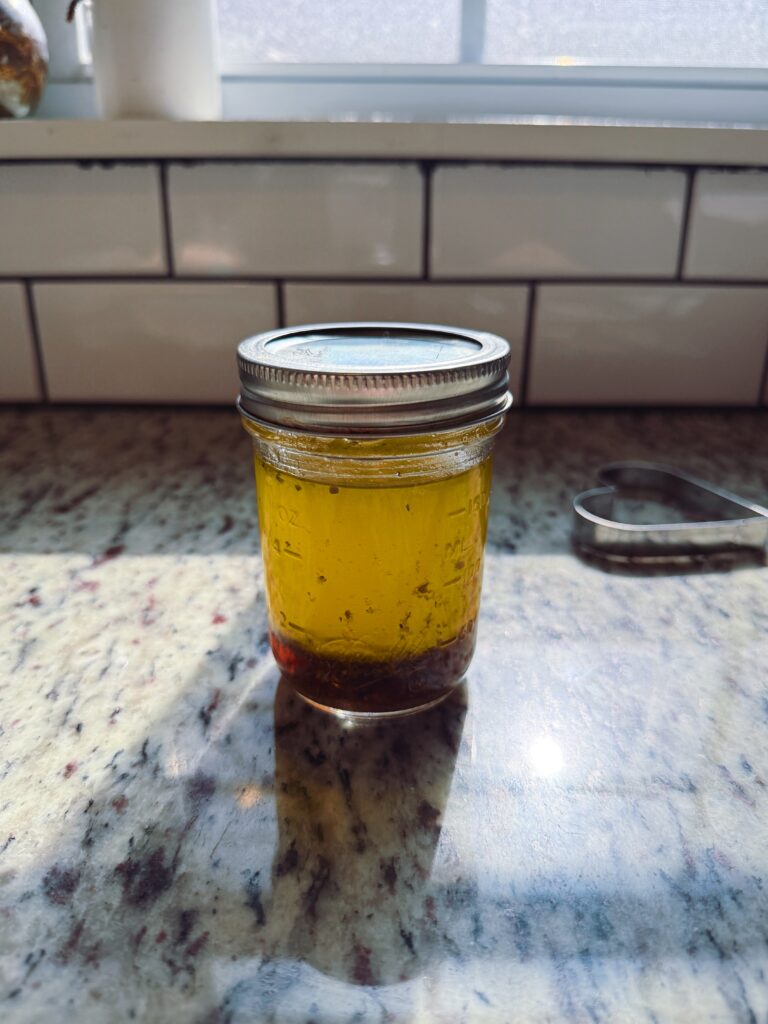
- Oil Based, Homemade Salad Dressings
Even adding sliced avocado to a sandwich or sprinkling walnuts over a salad can significantly increase the nutritional value of a meal.
Add More Fiber Throughout the Day
Many people transitioning to a gluten-free diet notice they’re eating less fiber because refined gluten-free products often contain much less than their wheat-based counterparts.
It’s always a good idea to boost your fiber intake by eating:
- Berries
- Apples
- Pears
- Beans
- Lentils
- Sweet potatoes
- Chia seeds
- Flaxseed
- Vegetables
- Certified gluten-free oats
- Whole gluten-free grains
Adding ground flaxseed or chia seeds to smoothies, oatmeal, yogurt, or muffins is an easy way to increase fiber without changing the flavor much.
Bake with More Nutritious Gluten-Free Flours
One of my favorite ways to increase nutrition is by using a variety of gluten-free flours rather than relying on just one.
Whole grain gluten-free flours such as sorghum, millet, buckwheat, oat flour, and teff contribute more fiber, minerals, and protein than refined starches alone. Combining these with starches like tapioca or potato starch helps create baked goods with both great texture and improved nutrition.
Homemade gluten-free flour blends often provide a more balanced nutritional profile than many store-bought blends made primarily from refined starches. Try my all purpose flour blend and my bread flour blend! But watch out for wheat starch. A lot of bread flours use wheat starch and while it works beautifully, many people gluten sensitivity can’t tolerate it.
Sneak Vegetables into Everyday Meals
Vegetables don’t always have to be served as a side dish.
Try adding:
- Spinach to smoothies
- Shredded zucchini to muffins
- Cauliflower into mashed potatoes
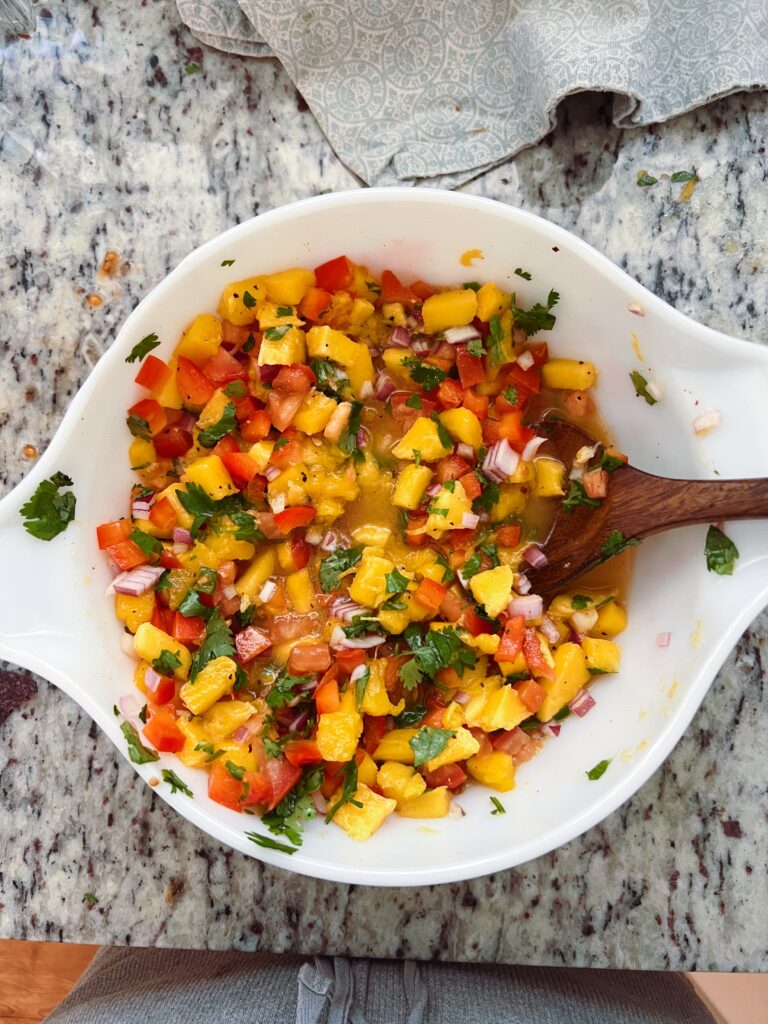
- Bell peppers into scrambled eggs
- Mushrooms into pasta sauces
- Extra vegetables into soups and casseroles
These simple additions help increase your intake without dramatically changing your favorite recipes.
Include Fermented Foods
Gut health is an important consideration for many people with celiac disease, especially while the small intestine heals after diagnosis.
Fermented foods may help support a healthy gut microbiome and include:
- Dairy products like Plain yogurt with live cultures
- Kefir
- Sauerkraut
- Kimchi (verify it’s gluten free)
- Fermented pickles
If you’re new to fermented foods, start with small portions and gradually increase your intake.
Watch for Essential Nutrients That May Be Low
People with celiac disease are more likely to have nutrient deficiencies, particularly before their intestines have fully healed.
Some nutrients to pay extra attention to include:
- Iron
- Calcium
- Vitamin D
- Vitamin B12
- Folate
- Zinc
- Magnesium
Eating a wide variety of nutrient-dense foods helps support healthy levels, but your healthcare provider may also recommend blood work or supplementation if needed. Every year, I complete a parasite and cellular detox, followed by a gut rebuilding (But that is for a separate blog post).
Meal Prep for Success
Life gets busy, and convenience often wins. Preparing a few nutrient-dense staples each week makes healthy choices much easier.
Consider prepping:
- Cooked quinoa or brown rice
- Roasted vegetables
- Hard-boiled eggs
- Grilled chicken
- Homemade muffins
- Washed fruit
- Cut vegetables with hummus
- Homemade soups
Having nutritious options ready helps reduce the temptation to rely solely on processed gluten-free convenience foods.
Learn to Read Nutrition Labels
Reading food labels is an essential skill for anyone following a gluten-free diet, but it’s also one of the easiest ways to make more nutrient-dense choices. While a product may be labeled “gluten free,” that doesn’t necessarily mean it’s rich in fiber, protein, vitamins, or minerals. Many packaged gluten-free foods are made primarily with refined starches and added sugars, which can leave you feeling less satisfied and provide fewer nutrients than whole-food alternatives.
When comparing products, take a moment to look beyond the gluten-free label. Check the ingredient list first—ingredients are listed in order by weight, so foods made with whole-grain gluten-free flours like sorghum, millet, brown rice, buckwheat, quinoa, teff, or certified gluten-free oats are often more nutrient-dense than those made almost entirely with refined starches. Next, review the Nutrition Facts panel. Look for products that offer a good source of fiber and protein while keeping added sugars and sodium in moderation.
A lot of gluten-free bread are heavy in starches because that is what gives the bread a lighter texture. And while I do enjoy that now and then, it’s not the bread that I choose daily. Even breads with gluten-containing grains that are light and airy have a lot of additives to make them so. Fresh milled bread and naturally heavier, but extraordinarily more nutritious.
It’s also important to watch for hidden sources of gluten (like in soy sauce). Ingredients and manufacturing practices can change over time, so make it a habit to read labels every time you shop—even on products you’ve purchased before. Choosing foods that are clearly labeled gluten free and carefully reviewing ingredient lists can help you avoid accidental gluten exposure while filling your pantry with nourishing options that support your overall health.
Focus on Progress, Not Perfection
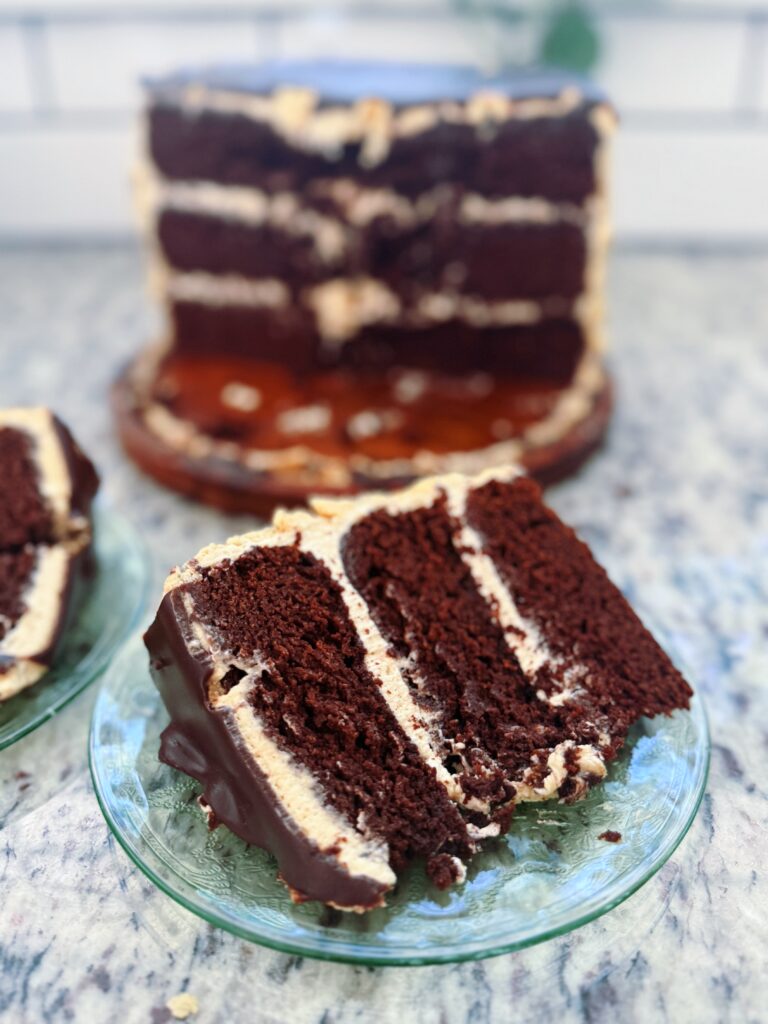
Eating a nutrient-dense gluten-free diet doesn’t mean every meal has to be perfectly balanced. There is absolutely room for gluten-free pizza, cookies, birthday cake, and your favorite comfort foods.
The goal is simply to make whole, nourishing foods the foundation of your meals most of the time while still enjoying treats without guilt.
Small habits—adding vegetables to dinner, choosing whole grains more often, including protein with breakfast, or baking with a variety of gluten-free flours—can add up to meaningful improvements in your overall health and will make a lifelong gluten-free diet rewarding.
Embrace Gardening and Seasonal Eating
One of my favorite ways to naturally eat a more nutrient-dense gluten-free diet is by growing a small garden and cooking with what’s in season. There’s something incredibly satisfying about stepping outside to pick fresh tomatoes, herbs, zucchini, peppers, or lettuce and using them in that night’s dinner. Fruits and vegetables harvested at their peak are often at their freshest, most flavorful, and packed with nutrients. Even if you don’t have space for a large garden, a few pots of herbs on the patio or a couple of tomato plants can make a big difference. Shopping at local farmers markets or choosing seasonal produce at the grocery store is another simple way to enjoy foods at their best while adding more variety to your meals throughout the year. Seasonal cooking also encourages creativity in the kitchen, helping you build meals around fresh produce instead of relying on heavily processed convenience foods.
Final Thoughts
A gluten-free diet is about much more than avoiding gluten. It’s an opportunity to build meals that are satisfying, colorful, and full of nutrients that support your health for years to come all while supporting your autoimmune disease.
By emphasizing naturally gluten-free whole foods, choosing whole grains when possible, prioritizing protein and healthy fats, and incorporating plenty of fruits and vegetables, you can create a gluten-free lifestyle that’s every bit as nourishing as it is delicious.
Whether you’re newly diagnosed with celiac disease or you’ve been eating gluten free for years, remember that every small step toward adding more nutrient-dense foods is a step toward better health with all the benefits of a gluten-free diet.